
2026 Natural Shoreline Award Winner
Joe and Michele Hangge of Big Marine Lake in Scandia, Washington County (Carnelian-Marine-St. Croix Watershed District)
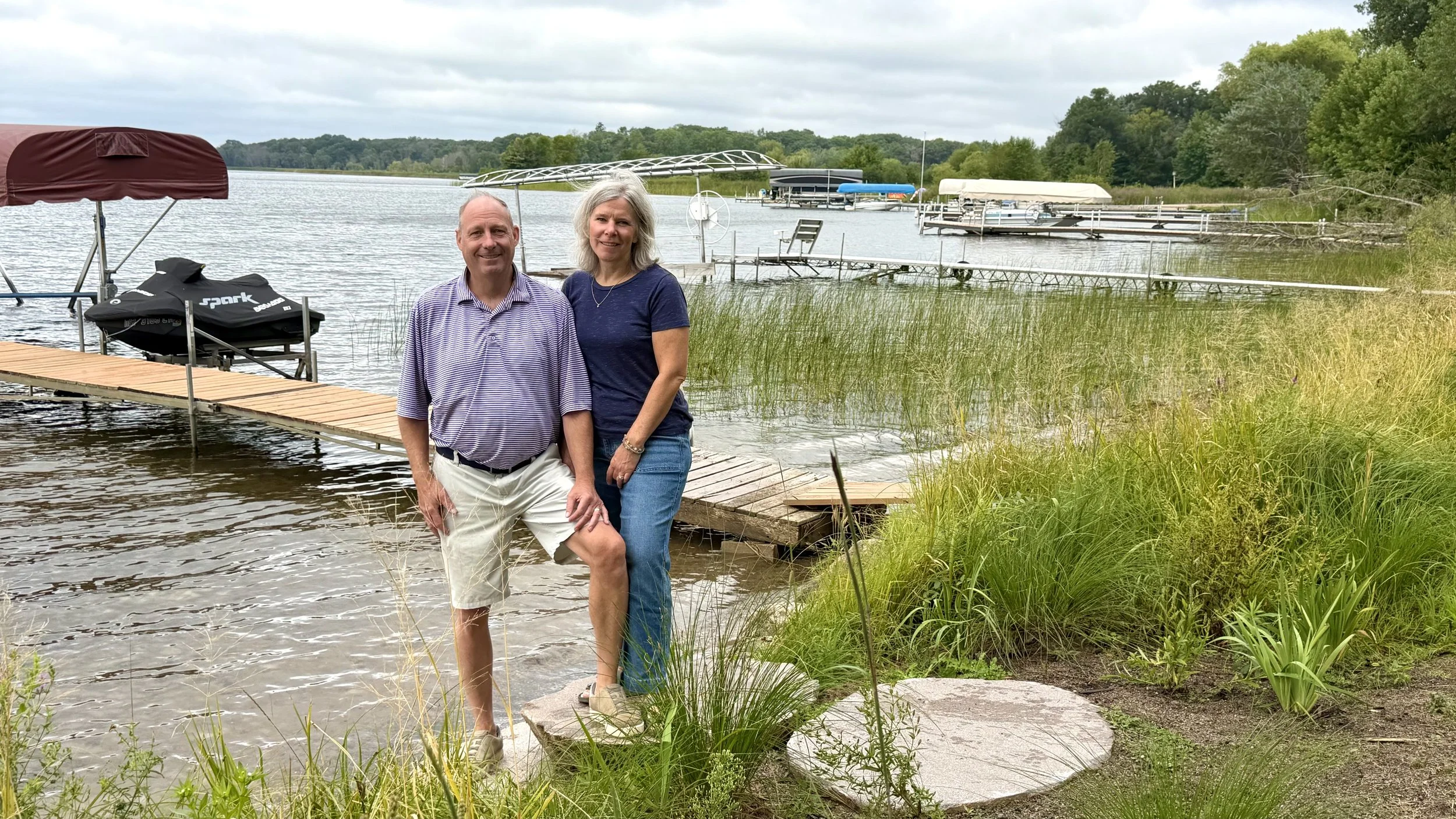
Only one year after planting, Joe and Michele Hangge’s native shoreline on Big Marine Lake has become a living landscape with fish, frogs, birds, and insects, as well as two very happy dogs.
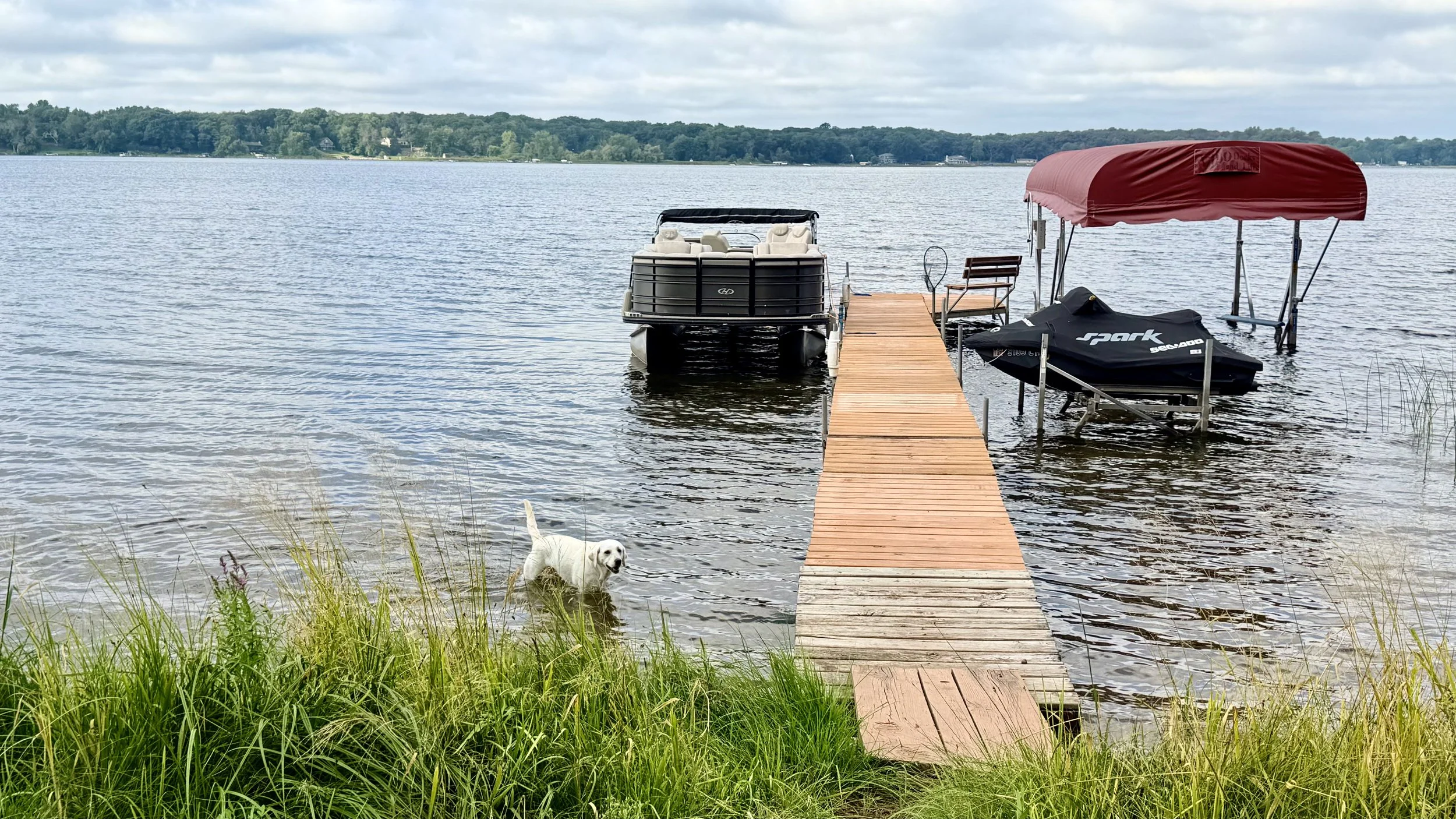
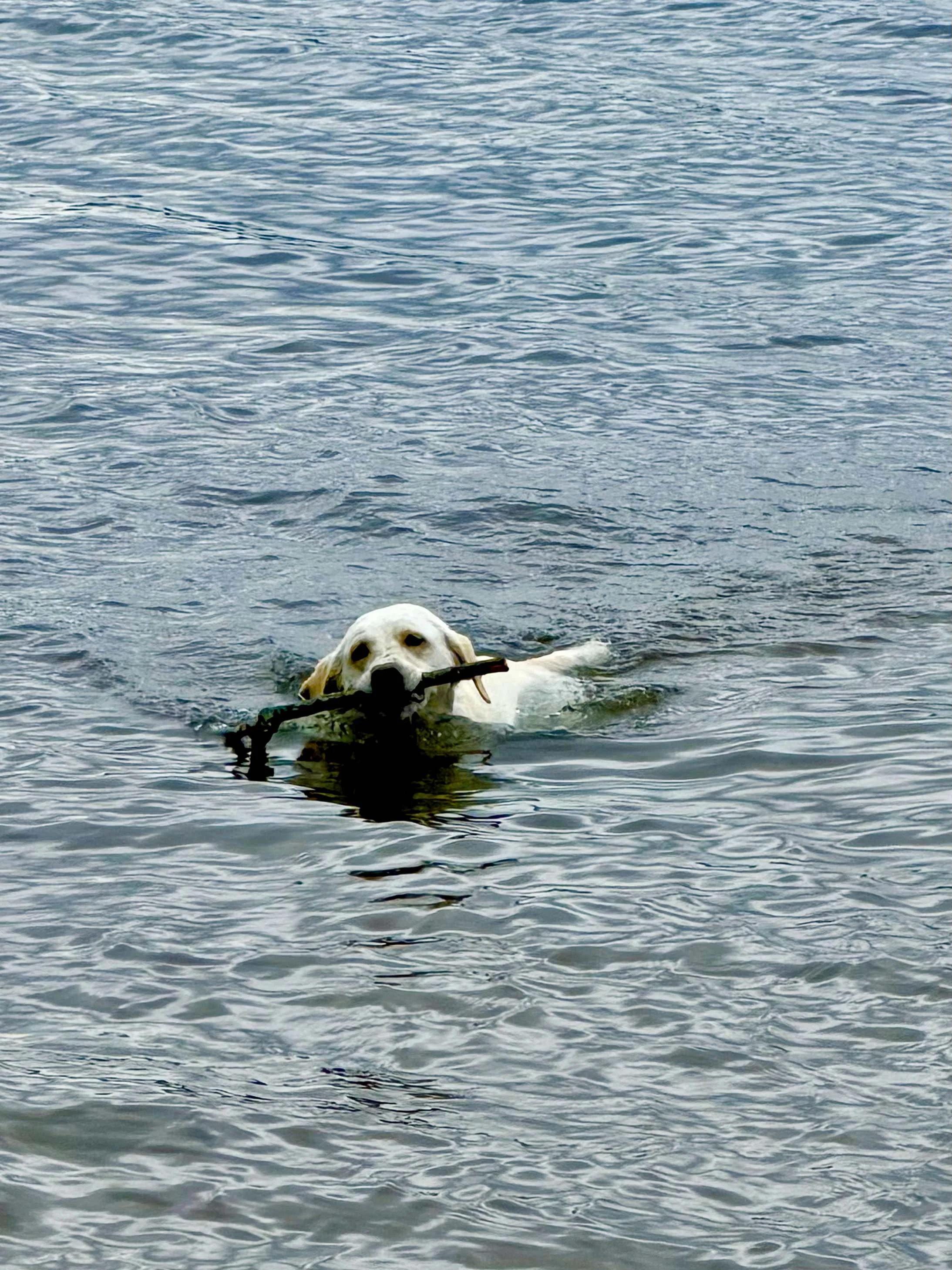
“She is such a water-lover,” laughs Michele as her dog Ivy splashes around happily in the lake. “She would seriously spend the whole day there if I let her.”
When the couple bought their lake home in Scandia four years ago, however, a native planting project wasn’t in their plans.
“Joe’s parents had owned the home since 1986,” Michele explains, “and when we moved in we still had this vision of a sandy beach.” After their shoreline was damaged by ice heaves three years in a row, however, they realized that they might need to take a different approach. “It takes me a long time to make a decision,” Michele says, “But that spring there was so much heaving and it was ugly. We’d been talking with staff at the Carnelian-Marine-St. Croix Watershed District and when Tom Langer came out that year he joked that sometimes Mother Nature makes the decision for you.”
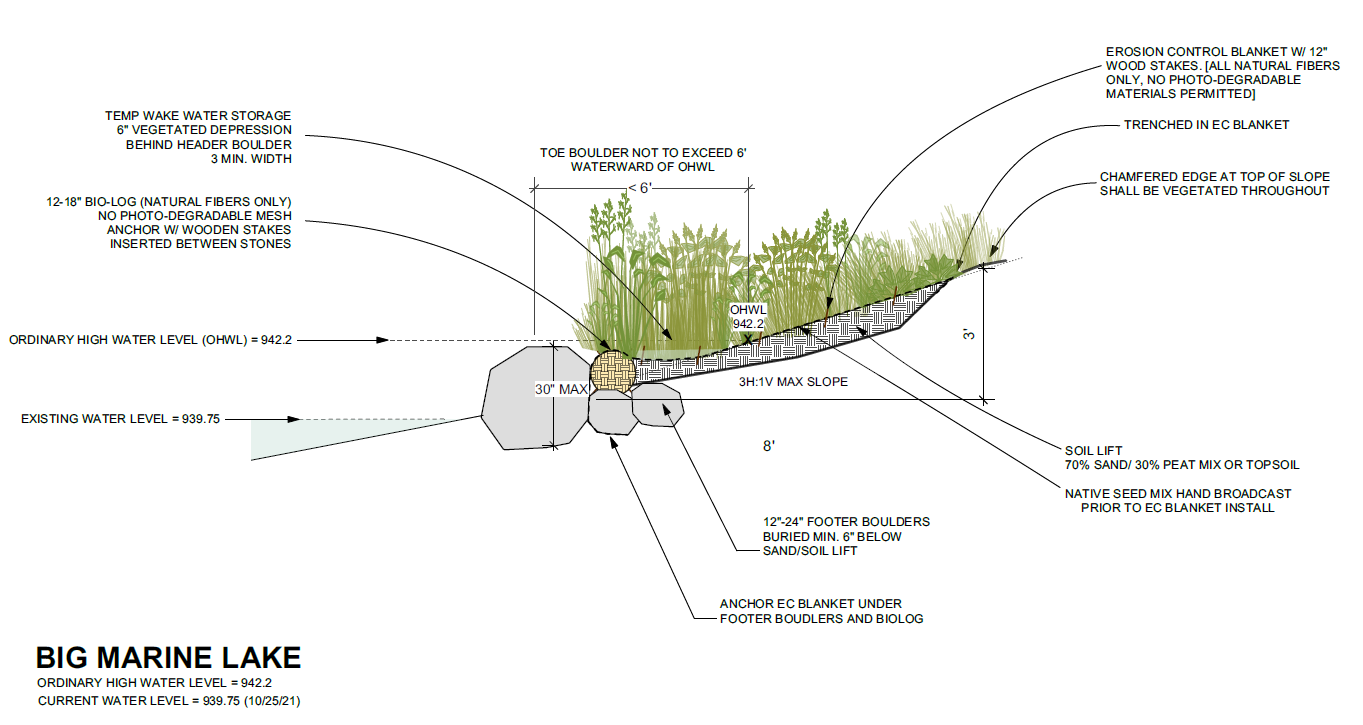
In 2025, the watershed district worked with Washington Conservation District to develop a bioengineered design for the Hangge’s lakeshore property that will help to protect it from future erosion and provide better habitat for wildlife. The design includes a row of boulders buried at the water’s edge to stabilize the shore, as well as a ten-foot wide buffer of deep-rooted native plants along their 80-feet of shoreline.
“Now when we sit outside in the evening, we see butterflies and birds,” Michele says happily.
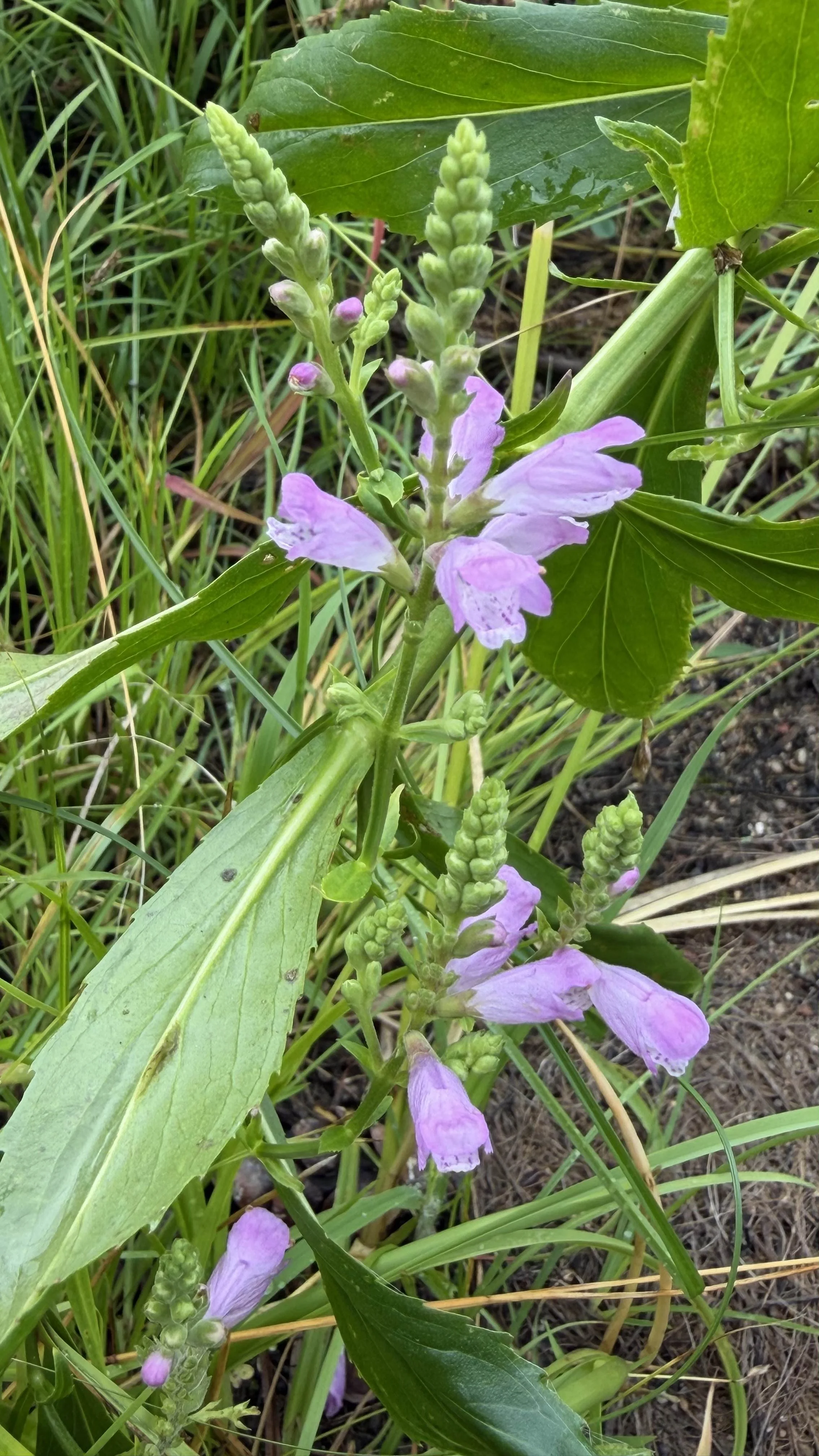
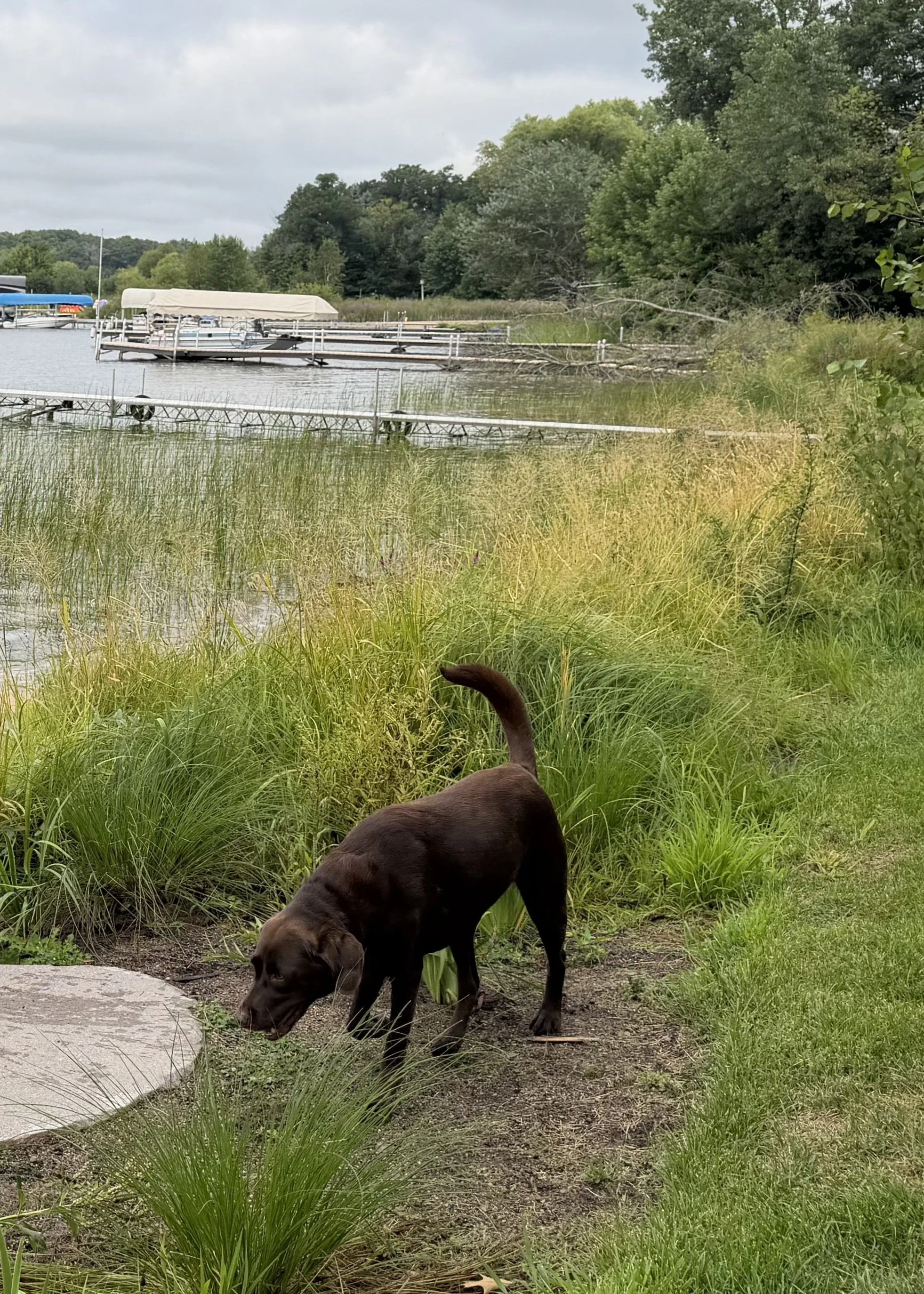
Though Joe and Michele say they like their yard to be well-kept, it’s also nice to have plants along the shore that the dogs can run through without worrying about them getting damaged.
“We can also pull the kayaks right up out of the water,” explains Michele, “because the plants are sturdy and just bounce right back.”
“My dad used to pull the reeds in the water,” Joe adds. “But I stopped doing that this year and now there are tons of frogs.”
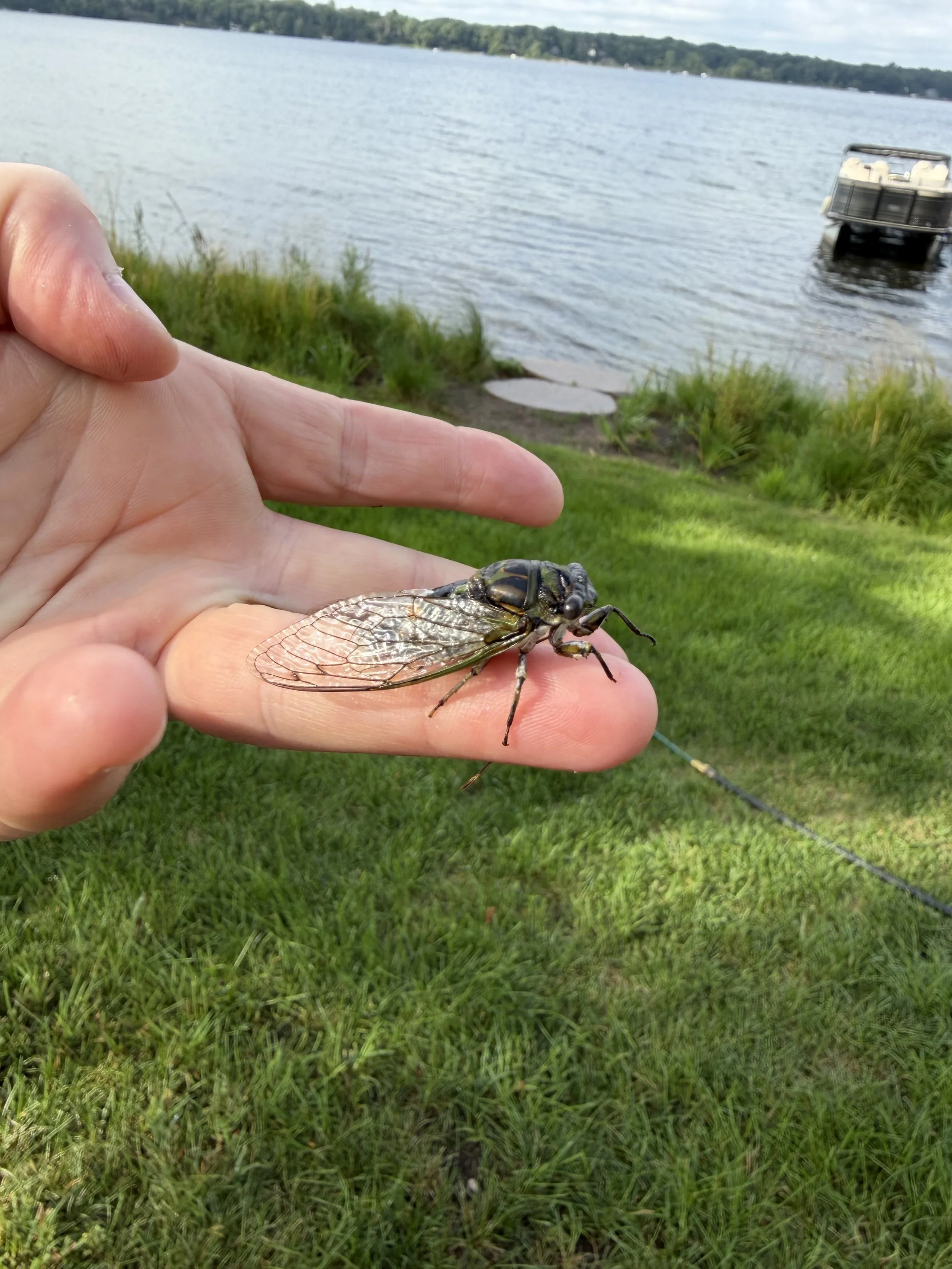
As we talk, the Hangge’s brown lab Lily busies herself stalking a cicada in the grasses. Michele leads me down to the end of the dock to look for sunfish, which she says school there regularly. “The water is so clear it’s like watching them in an aquarium!”
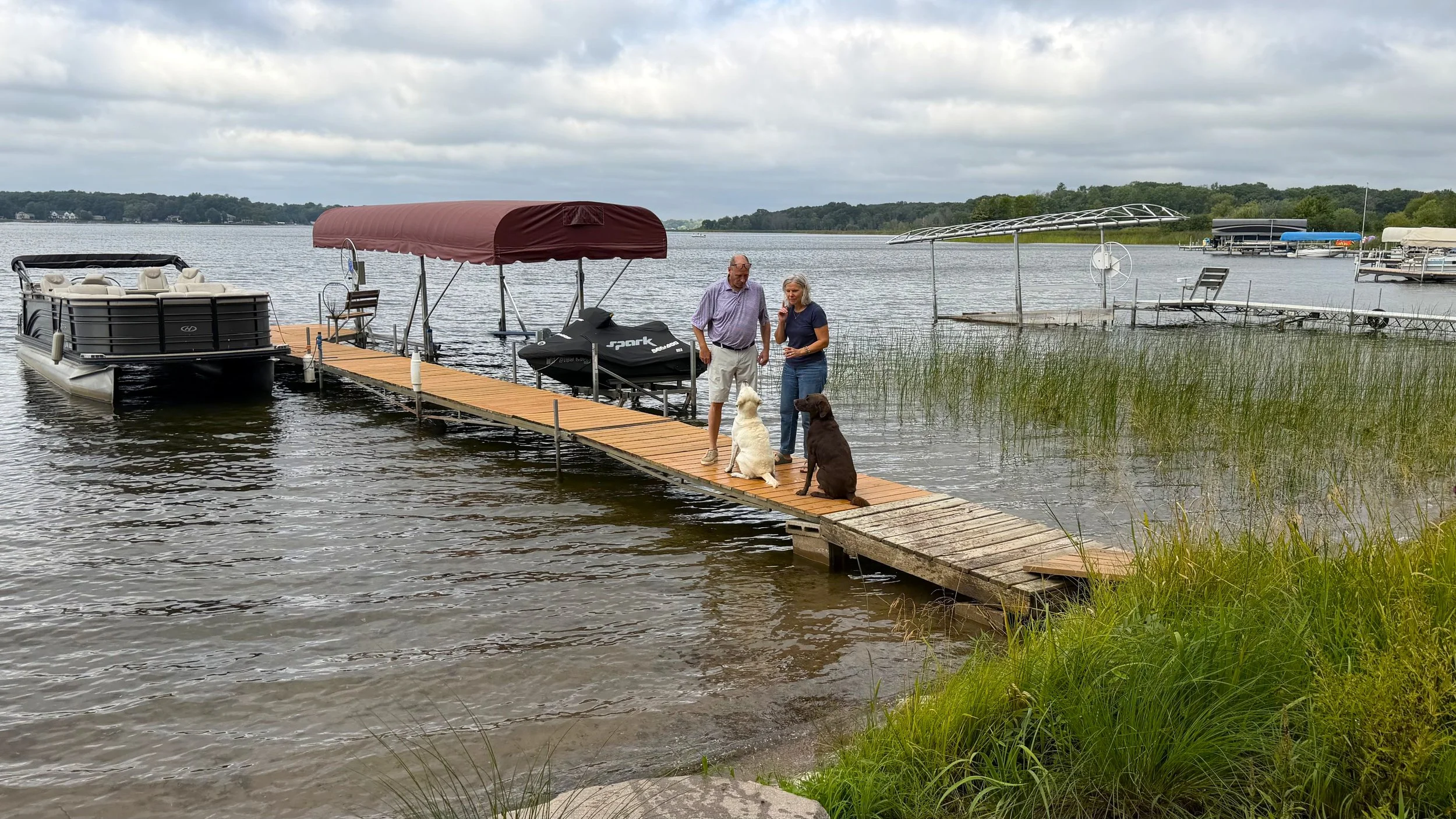
Joe and Michele note that support from the watershed district was crucial in helping them to get their project established. “Every time I emailed them, they were so receptive,” says Michele. “They held our hand and walked us through it, and we’ve also got staff from the Conservation District providing advice on how to take care of the plants now that they’re established.”
The couple says they’re excited to see their lakeshore evolve as the plants continue to mature. “I’d never previously considered a native shoreline,” says Michele, “but now I really love it.”
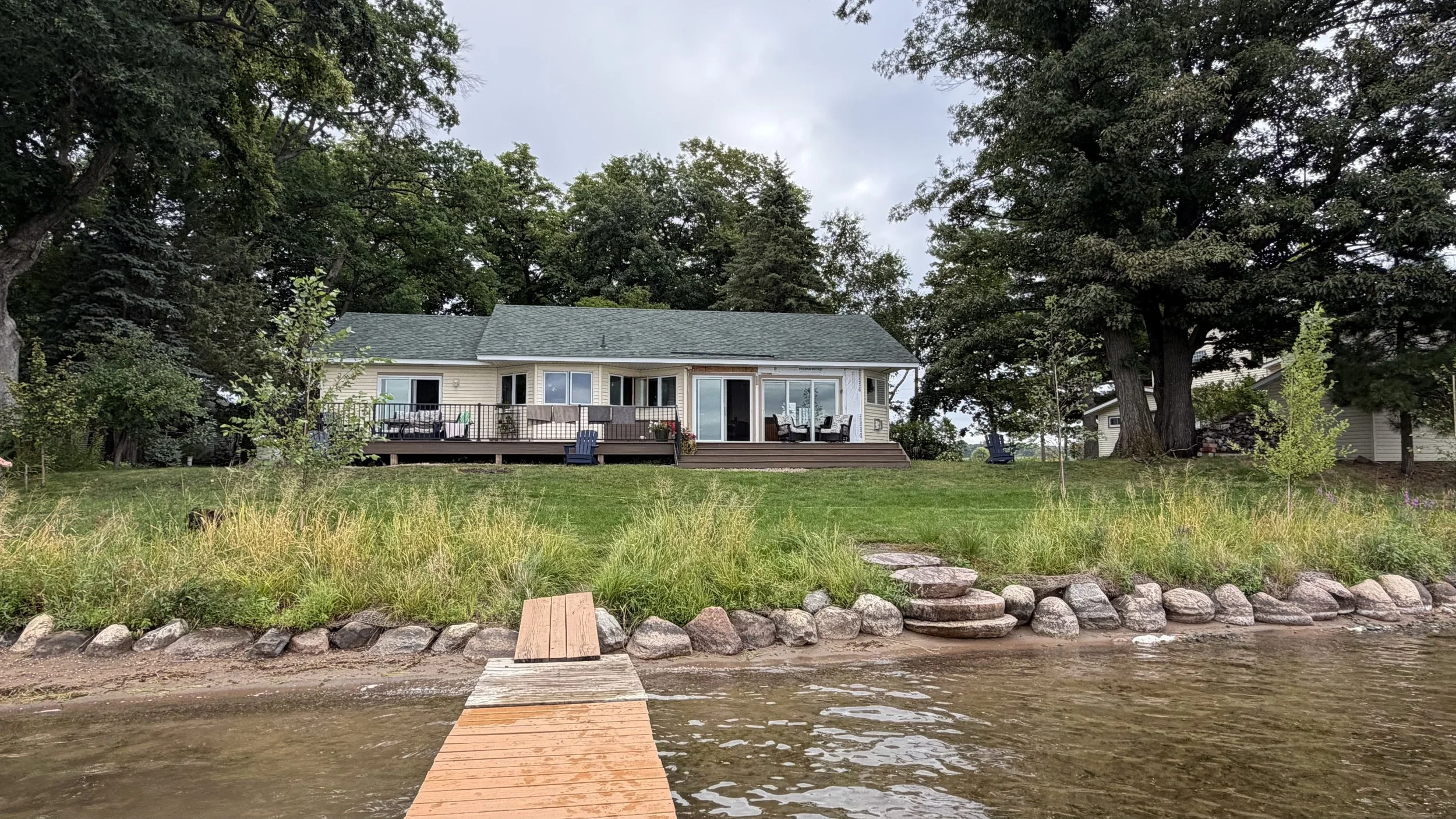
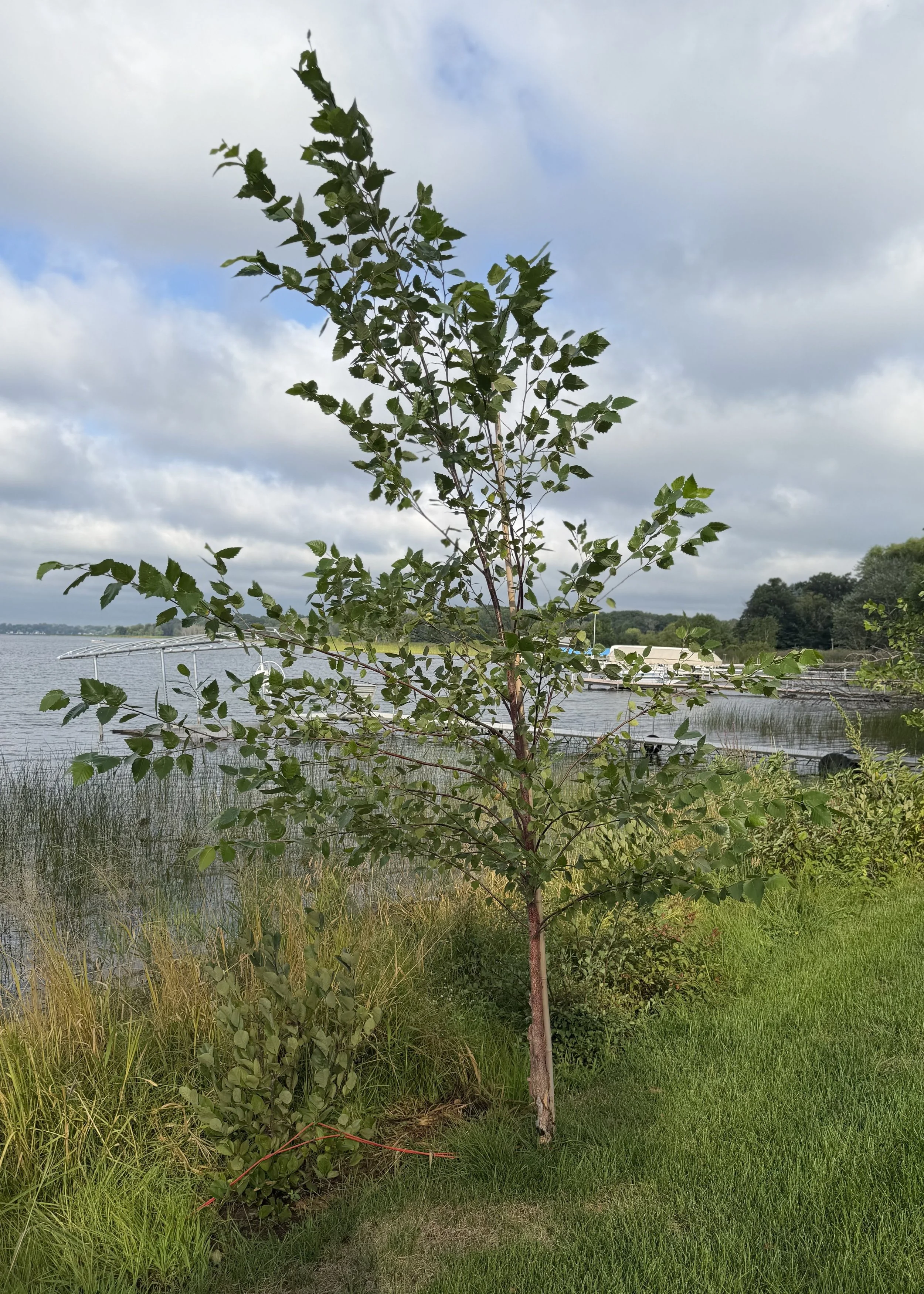
The Hangge’s shoreline features a bioengineered design with boulders to hold the shore in place, as well as deep-rooted native plants and four new river birch that will grow and fill-in over time.